
Italian Plum Tree
Original price was: $89.95.$62.97Current price is: $62.97.
- Quick responses, top-notch service.
- Safe Transactions, Always
- Your needs, our top priority.
- Buy with Peace of Mind

Easily Grow Your Very Own Sugar Plums…
Whether you’re a novice fruit grower, or you just want something sweet and easy, the Italian Plum Tree is one of the easiest fruits to grow.
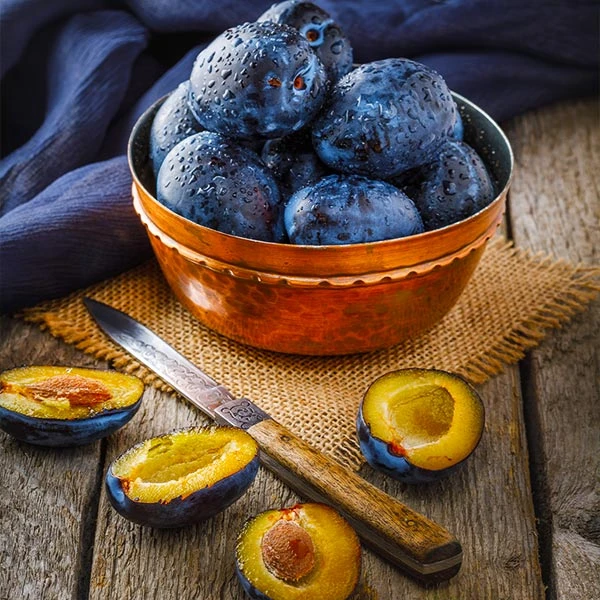
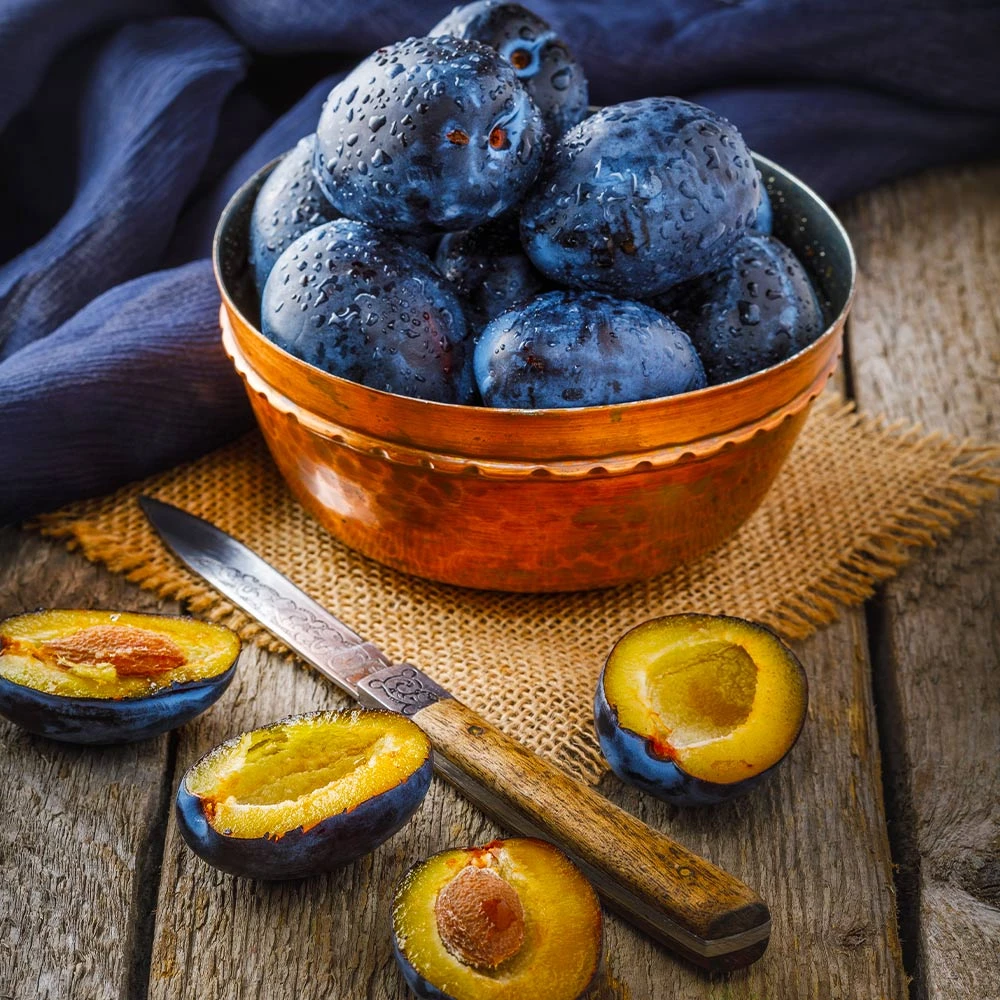
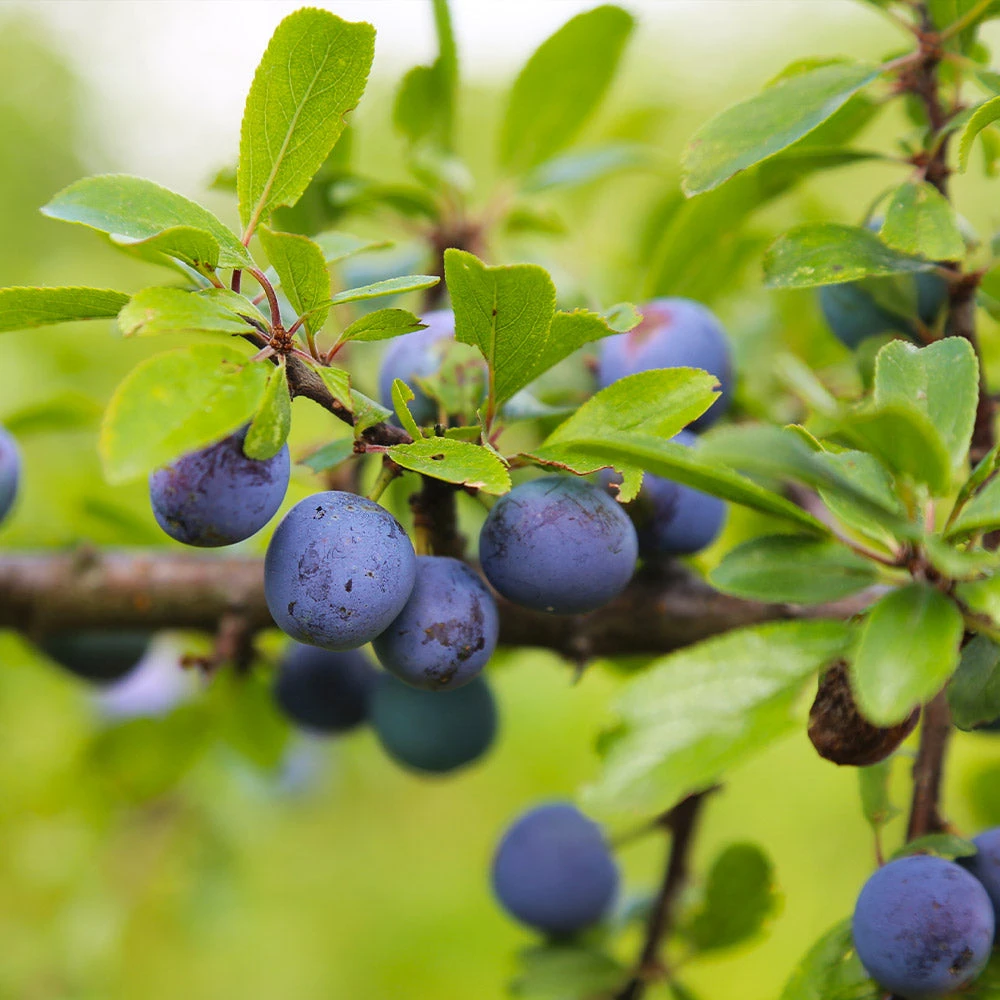
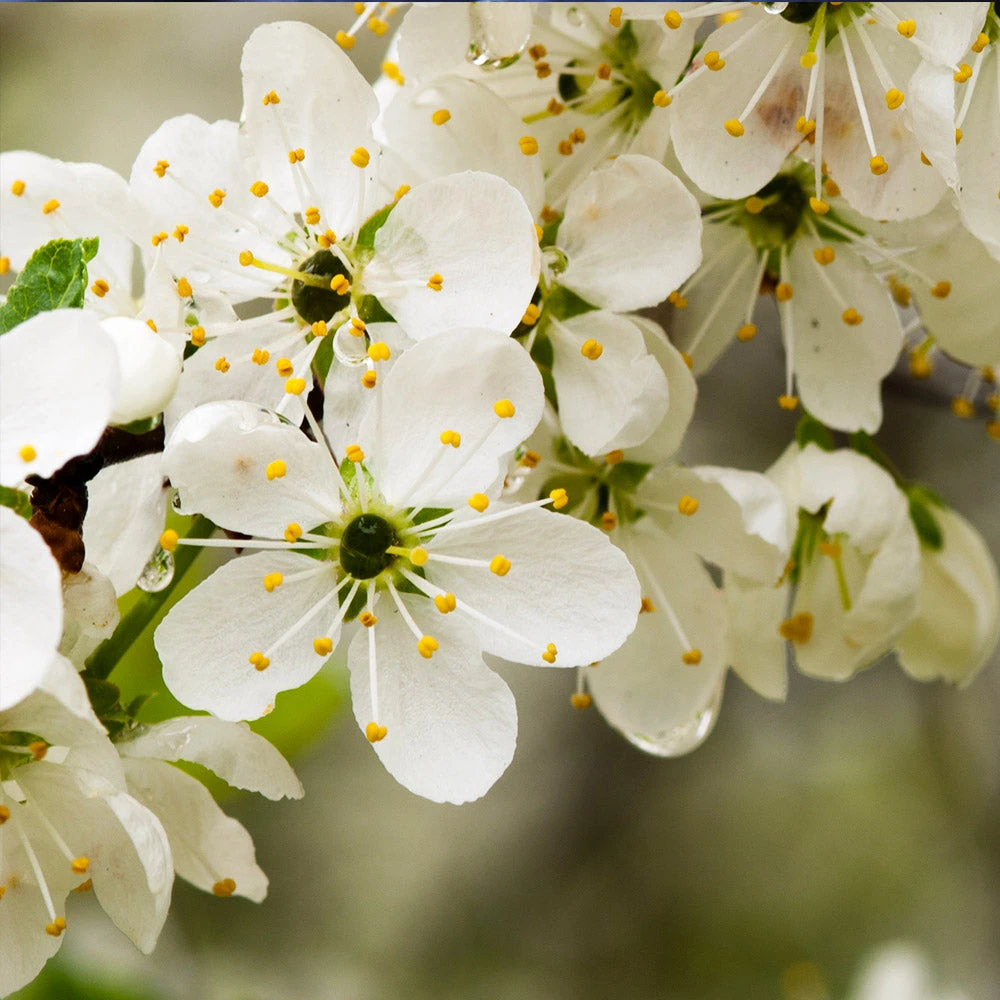
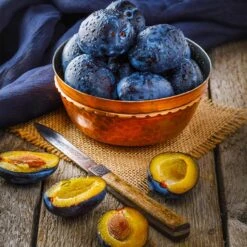
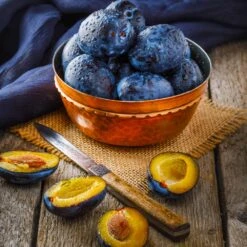
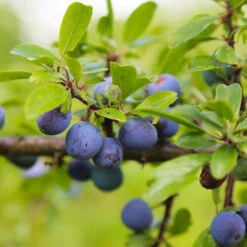
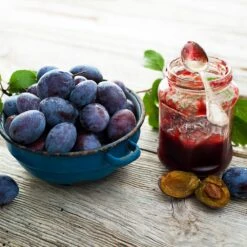
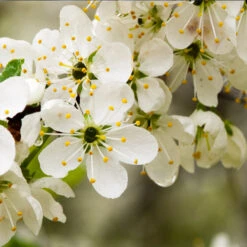
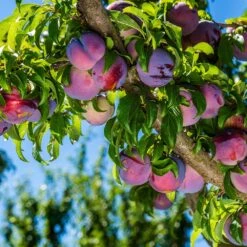
With gorgeous spring flowers and deep-purple fruit all in a manageable, naturally dwarf tree, the Italian Plum is great for any yard… city, country and everything in between.
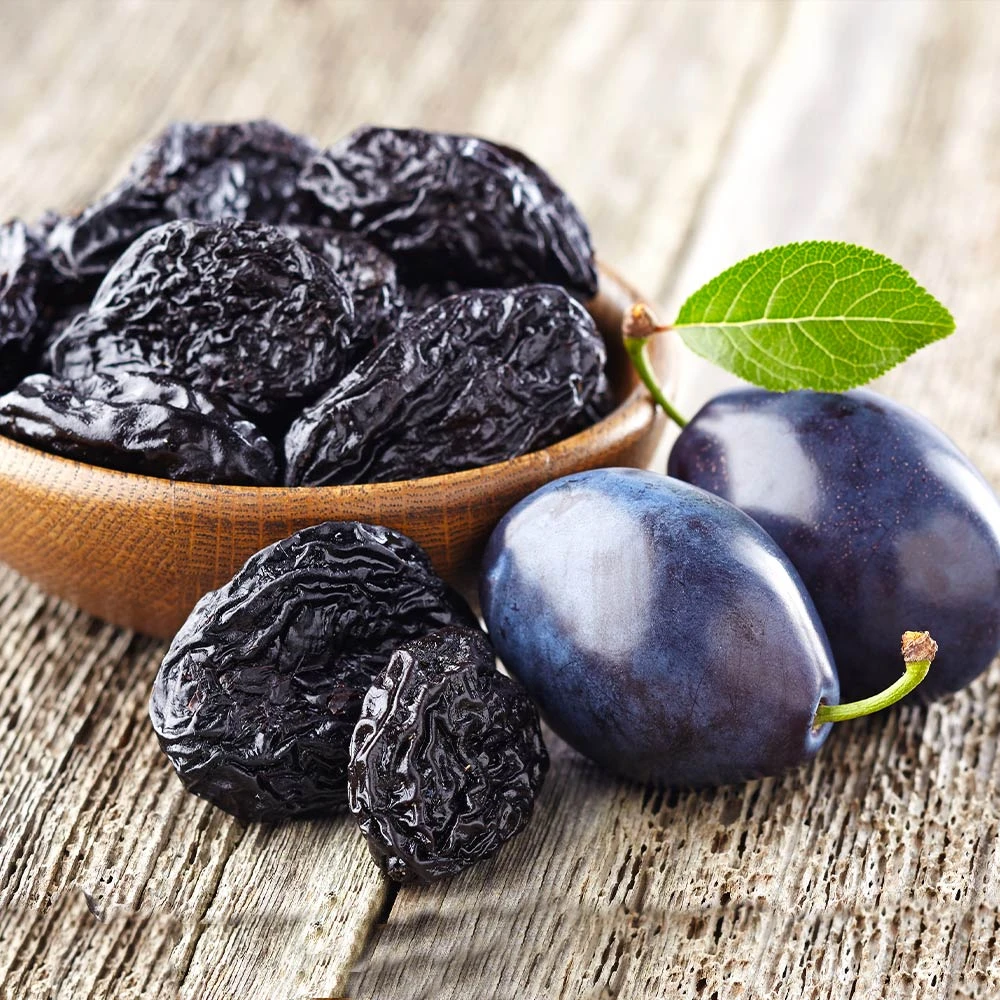
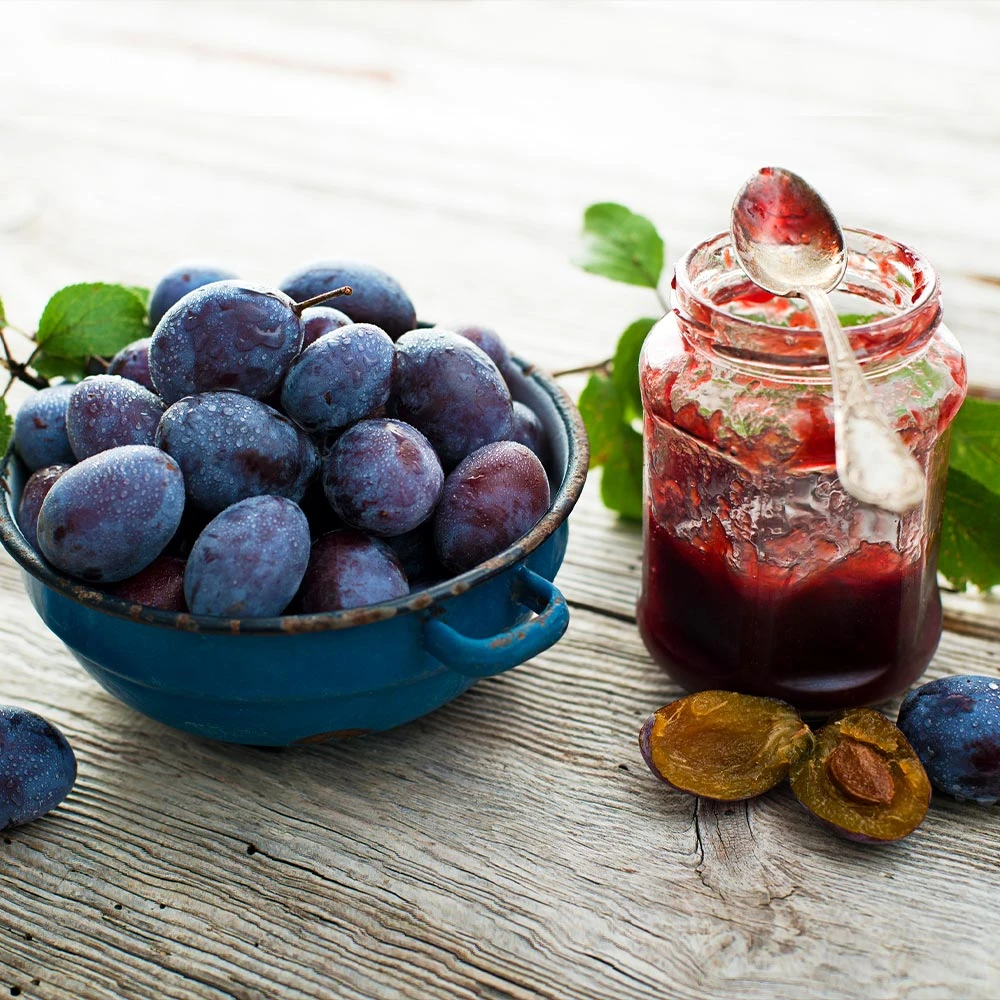
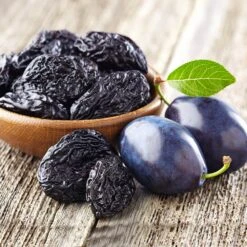
Ready to eat fresh right of the tree, easily made into jams and jellies, or frozen and dried, you’ll find endless ways to enjoy your Italian Plums.
…the juice, when cooked, turns into a deep red that’s well-loved by culinary experts for its rich flavor and intoxicating color.
Growing to only 10-15 ft., you can grow your Italian Plum virtually anywhere in your yard… dazzle an entryway with a pair, create a stunning showpiece in a small yard, or scatter an open landscape with as many as your heart desires.
Self-fertile, there’s no need to plant a pollinator!
Winter-hardy… adaptable to most soil types… and disease resistant… the Italian Plum is great for beginners looking to grow their first fruit tree.
Here’s what you’re going to love about your Italian Plum tree:
#1 – Italian Plums are sweet and just a little tart, making them standout from just ordinary plums
#2 – You can grow an Italian Plum tree even if you’ve never grown fruit before. They’re that easy!
#3 – Beautiful spring flowers and deep-purple fruit will add enchanting colors to your yard.
Some fruit trees are complicated and time-consuming, but not the Italian Plum!
Order yours today and see how easy it can be!
Planting & Care
1. Planting: Plant your Plum in well-draining soil and in full to partial sun.
Dig a hole that is twice as wide but just as deep as the root ball. Place your tree, backfill your soil and water to settle the roots. Mulch the surrounding soil to conserve moisture.
2. Watering: You will not likely need to water your tree unless you live in a very dry area with little irrigation. If you’re not sure when to water, check your surrounding soil about 3 inches down. If the soil is dry here, it’s time to water.
3. Fertilizing: During the first few years, you can add balanced fertilizer at the beginning of spring. However, it is not necessary to fertilize your tree once it begins to bear fruit.
4. Pruning: Your tree only requires light pruning in winter to get rid of dead branches. You can also do some additional pruning to lighten the branches or maintain a vase shape, but it is not necessary.
| Size | 2-3 ft., 3-4 ft., 4-5 ft., 5-6 ft., 6-7 ft. |
|---|
Be the first to review “Italian Plum Tree”
Related products
Fruit Trees
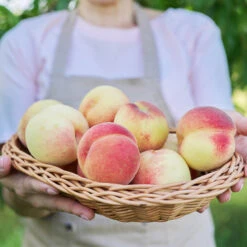
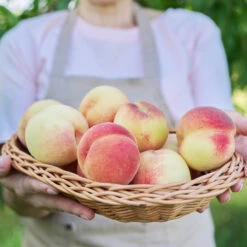
Fruit Trees
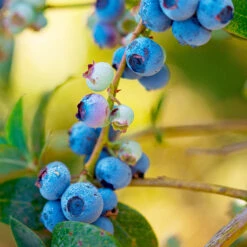
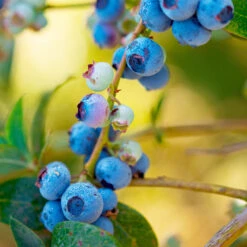
Blueberry Bushes

Apple Trees
Fruit Trees
Fruit Trees
Blackberry Bushes
Fruit Trees
Reviews
There are no reviews yet.